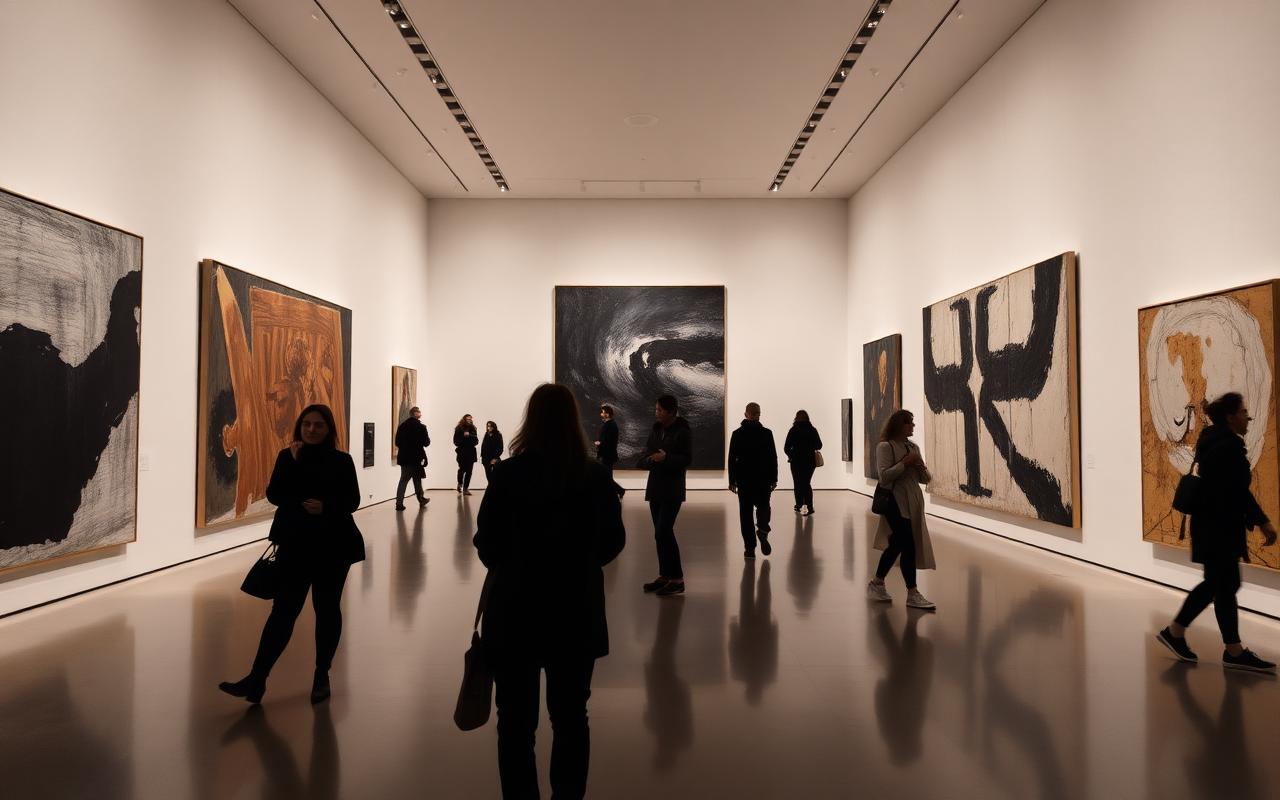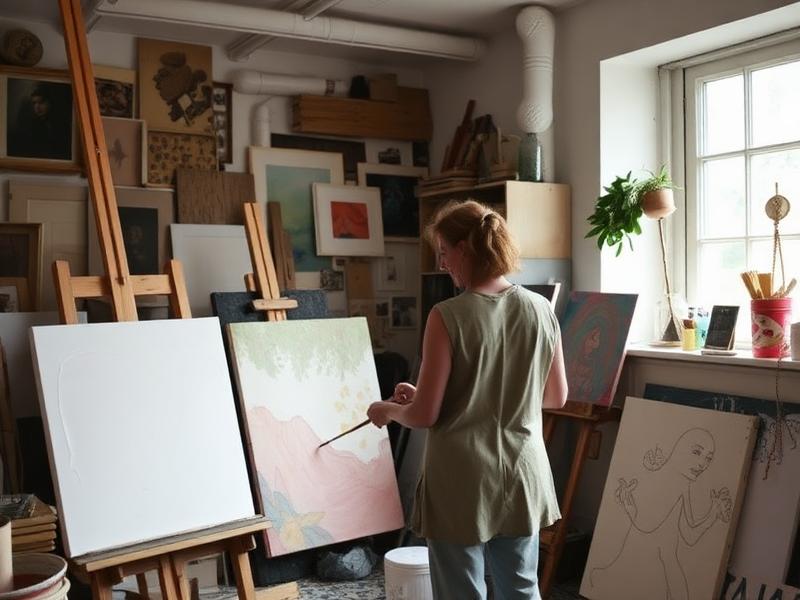
The first canvas I saw in the group's studio looked, at a glance, like a field of broken colour. Then the painter began to hum, and the picture snapped into sense: the long bands were verses, the short bright marks a refrain, the whole surface the shape of a harvest song her grandmother used to sing.
This small circle of artists has set itself an unusual task — to paint folk music. Not to illustrate it, not to design album covers, but to find on the canvas some equivalent for the rise and fall of a ballad, the stubborn repetition of a work song, the lull of a cradle tune.
It is less strange than it sounds. Folk music and folk painting grew up in the same houses, made by the same hands, passed down the same way — by ear, by imitation, by living close to someone who already knew how. For most of history nobody thought to separate the song from the painted chest it was sung beside.
The painters work by listening first. One records old singers in mountain villages, then paints for weeks with a single recording on a loop, chasing the colour of a particular voice. Another paints only to songs she learned as a child, and says she is really painting her own memory of being sung to.
The results refuse to sit still. Stand in front of them long enough and you begin, almost against your will, to feel a beat — the eye moving along a line the way an ear follows a tune. It is folk music by other means, and it is some of the most alive painting I have seen this year.