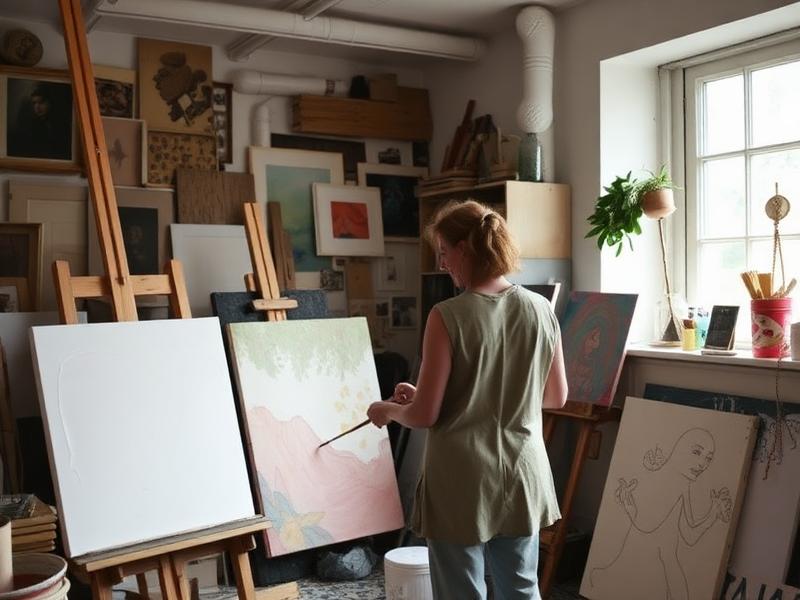
There is a particular quiet that settles over a painter's studio in the last hour of daylight, when the work is too far along to abandon and not yet close enough to finish. I have spent a good part of this spring standing in that quiet, in cities and villages across three countries, and I have come away convinced of something unfashionable: that painting — slow, stubborn, unspectacular painting — is quietly winning the argument again.
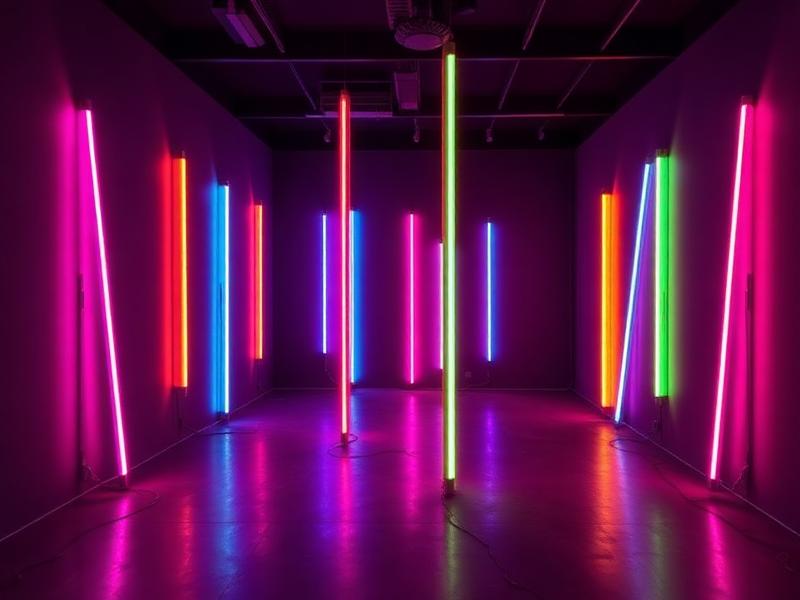
For most of the last decade the conversation belonged to spectacle. The installation you could walk inside, the biennale you had to queue for, the image built to travel well on a small screen. Painting was tolerated at the edges of that conversation, faintly embarrassed, as though it had wandered in from another century. The pictures that sold were the ones that photographed loudest.
What I have seen this year is a turn away from all of that, and it is happening in the studios before it happens in the galleries. Painters are working smaller and slower. They are grinding their own colours again, stretching their own linen, letting a canvas sit for months between sittings. One painter told me she now measures a picture not in weeks but in seasons — that she needs to see the same passage of paint under summer light and winter light before she will call it done.
This is not nostalgia, or not only. It is a considered response to a world in which images arrive faster than anyone can look at them. To make a painting slowly is to insist that looking still takes time — that a surface built up over months asks, in return, for more than the second and a half we now give an image before we scroll.
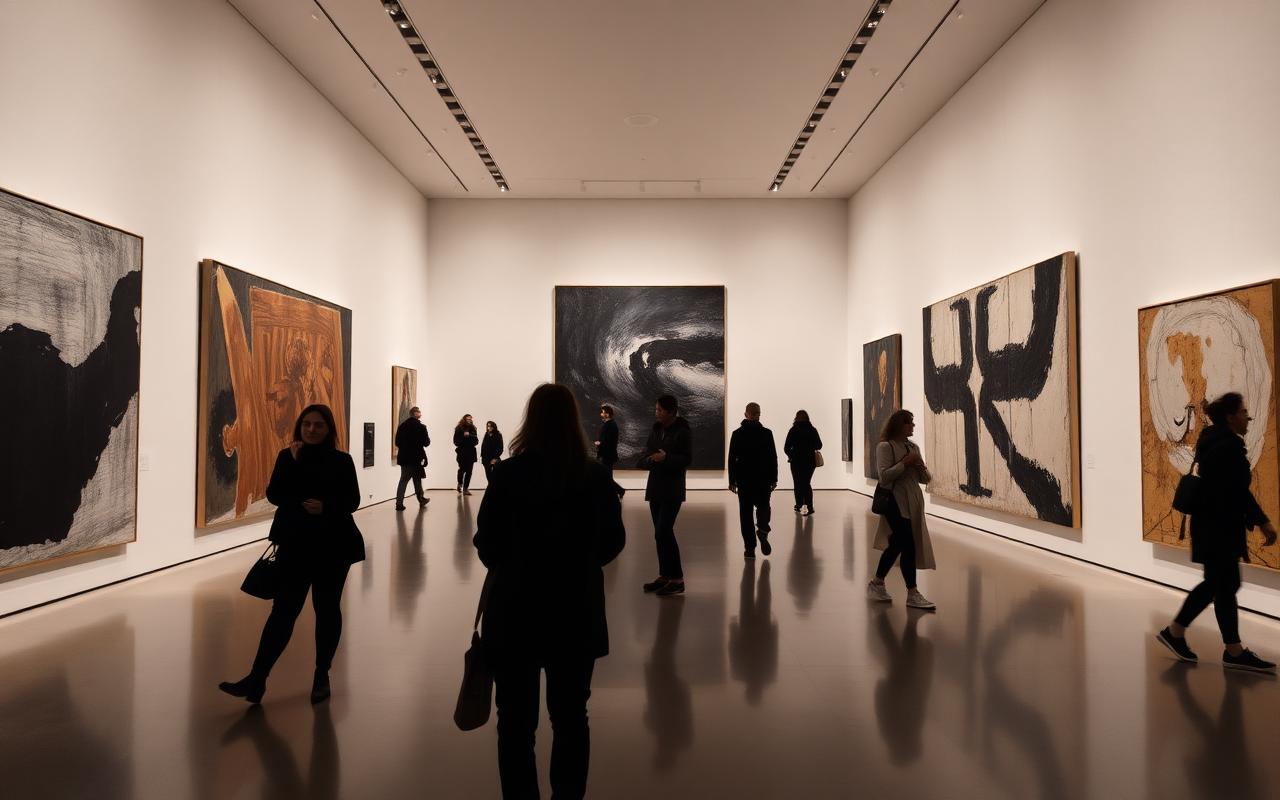
The market, as ever, is the last to understand what it is buying. Advisers speak of a 'flight to quality' as though quality were a share price. But the collectors I trust are not buying paintings to bank them. They are buying them to live with — to let a picture change slowly, in a room, over years, the way the painter intended.
I do not think painting ever really went away. But it spent a decade apologising for being quiet, for being handmade, for being slow. This spring, in studio after studio, I watched it stop apologising. That, more than any sale, is the news.