You will not find her at the fairs. She has shown twice in fifteen years, both times in rooms so small that word of the work travelled mostly by rumour — a painter telling another painter, over a studio kettle, that they had seen something they could not stop thinking about. And yet ask the most ambitious portrait painters in Europe who they are watching this year, and her name comes back again and again.
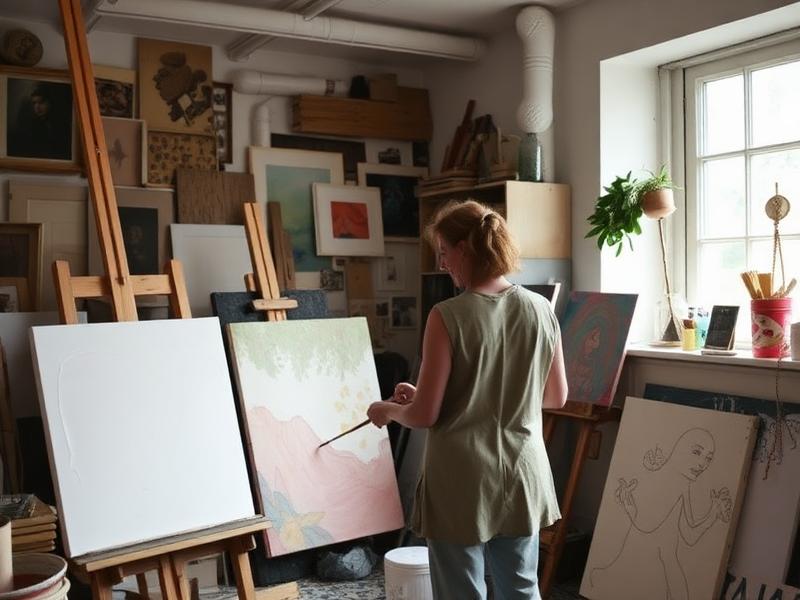
Her subjects are ordinary and unhurried: a neighbour, a fishmonger, the woman who cleans the stairwell of her building. She paints them over many sittings, in a north light she guards jealously, building the face up in thin, patient layers until it seems lit from somewhere behind the canvas.
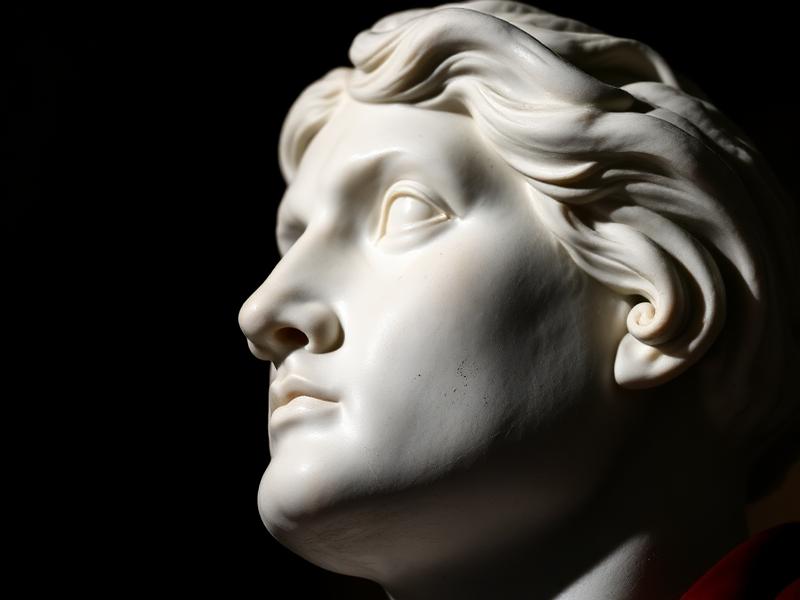
What her admirers respond to is not novelty. It is the opposite — a refusal to be novel. In an art world addicted to the new gesture, she has spent fifteen years doing the oldest thing a painter can do: looking hard at a single human face until it gives something up.
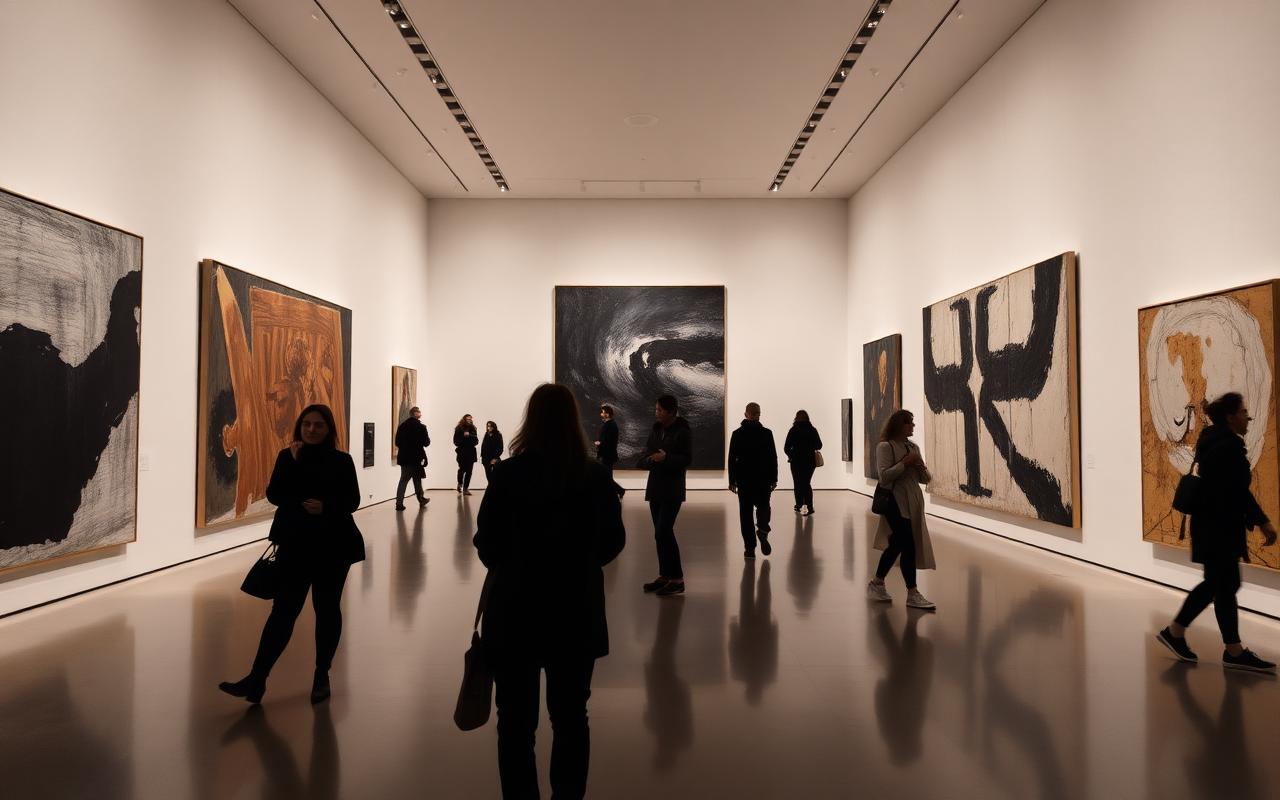
Younger painters have started to answer her. You can see it in the shows this season — the smaller formats, the returned interest in the sitter as a person rather than a symbol, the willingness to let a picture be quiet. She has, without meaning to, given a generation permission to slow down.
She declined to be interviewed for this piece, which is entirely in character. But a painter who has sat with her work described it best: 'It doesn't shout at you across the room. It waits until you come close, and then it won't let you leave.'