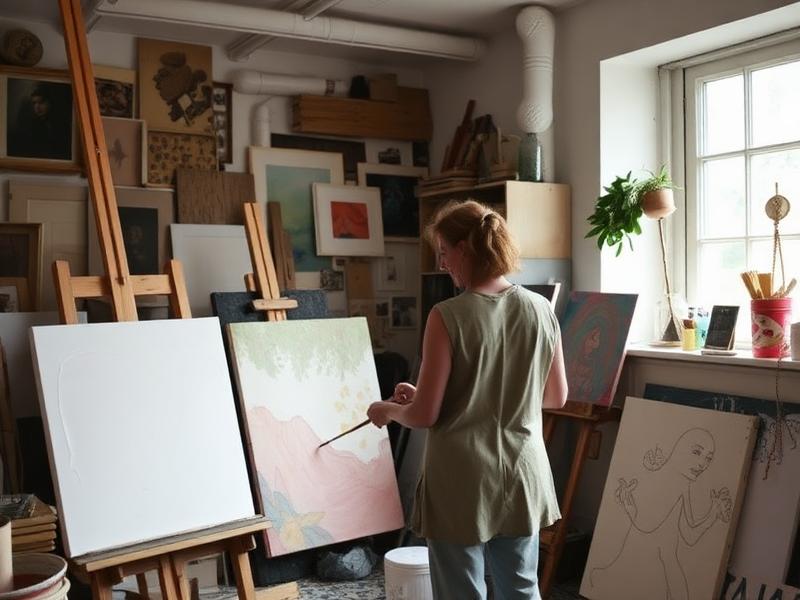
For most of the last century, ink painting carried the weight of being a national treasure, and treasures are meant to be guarded rather than used. The younger painters I have been visiting refuse the burden. They treat ink not as an heirloom to be dusted but as a language they happen to have grown up speaking.
The grammar is old and exacting — the loaded brush, the single unrepeatable stroke, the empty space that does as much work as the mark. What is new is the freedom with which they bend it. One paints cities in the manner once reserved for mountains. Another lets the ink pool and bleed in ways her teachers would have called mistakes.
There is nothing disrespectful in this. If anything they know the tradition more intimately than the generation that merely preserved it, because they use it every day, and you only truly learn a language by speaking it badly for a while first.
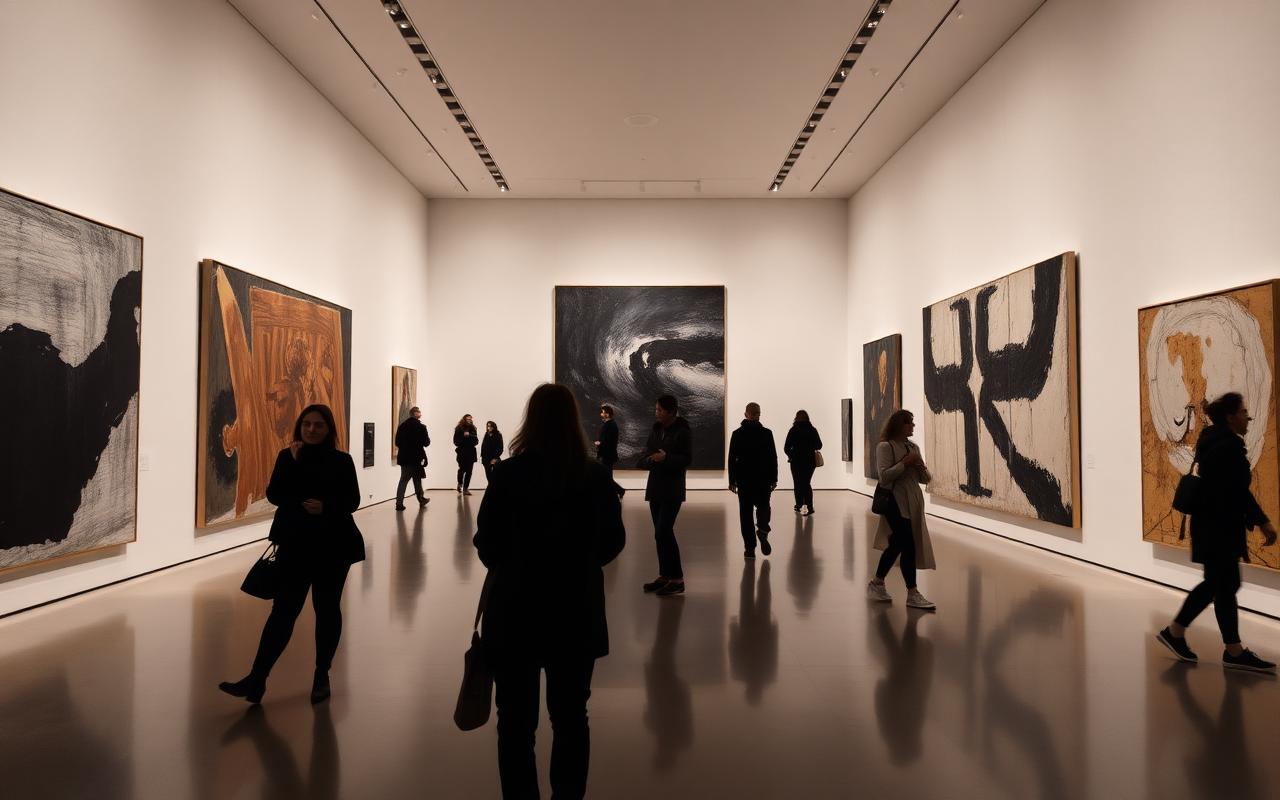
Collectors have been slow to follow, which suits the painters fine. Freed from the expectation of producing certified masterpieces, they experiment — mixing ink with materials the old masters never had, showing on walls the old masters would never have imagined.
The through-line, from the folk brushwork of the villages to these unbound young painters, is stronger than the museums admit. It was always a living tradition, learned hand to hand. These painters are simply the proof that it still is.