The argument about whether a machine can make 'real art' has been had, loudly, to exhaustion, and it has produced remarkably little worth keeping. It is the wrong argument. The interesting question is not about the picture that comes out. It is about the hand that no longer has to make it.
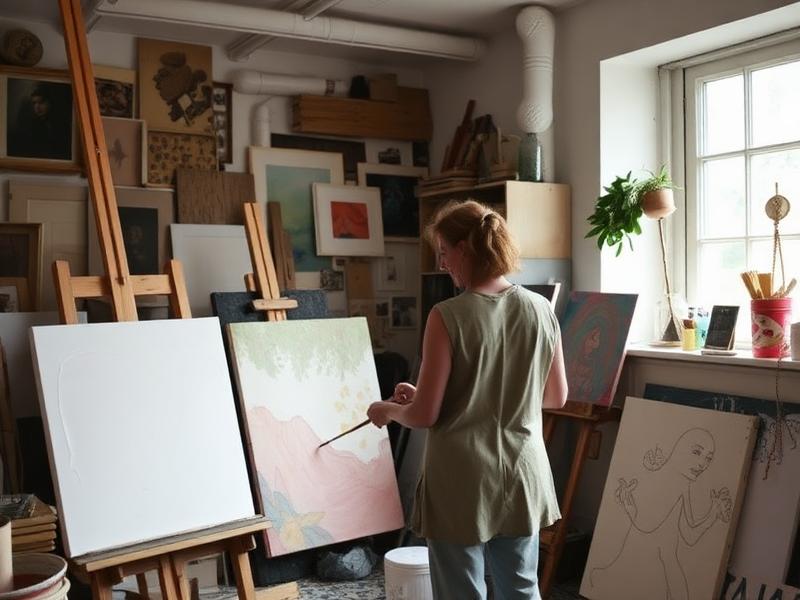
To learn to paint is to spend years failing to see. The eye is trained slowly, through the wrist, by getting a thousand things wrong — the value slightly off, the edge too hard, the colour that looked right on the palette and dies on the canvas. The craft is not decoration on top of the seeing. The craft is how the seeing gets built.
When a machine will finish the picture for you, that long apprenticeship starts to look optional. Why spend ten years learning to render a hand when the render is free? It is a fair question, and I think the honest answer is that we lose the very thing the ten years were for — not the skill of making the image, but the way of looking that only the making teaches.
None of this is an argument for banning the tools, which would be both futile and dull. Painters have always taken up whatever came to hand, from the camera to the projector, and folded it into the work. The danger is subtler: not that the machine paints, but that we forget why anyone learned to.
So I keep going back to the folk painters and the slow portraitists, the people building a surface over seasons. They are not refusing the future. They are holding on to something the future would quietly let drop — the knowledge, earned only in the hand, of how to look.